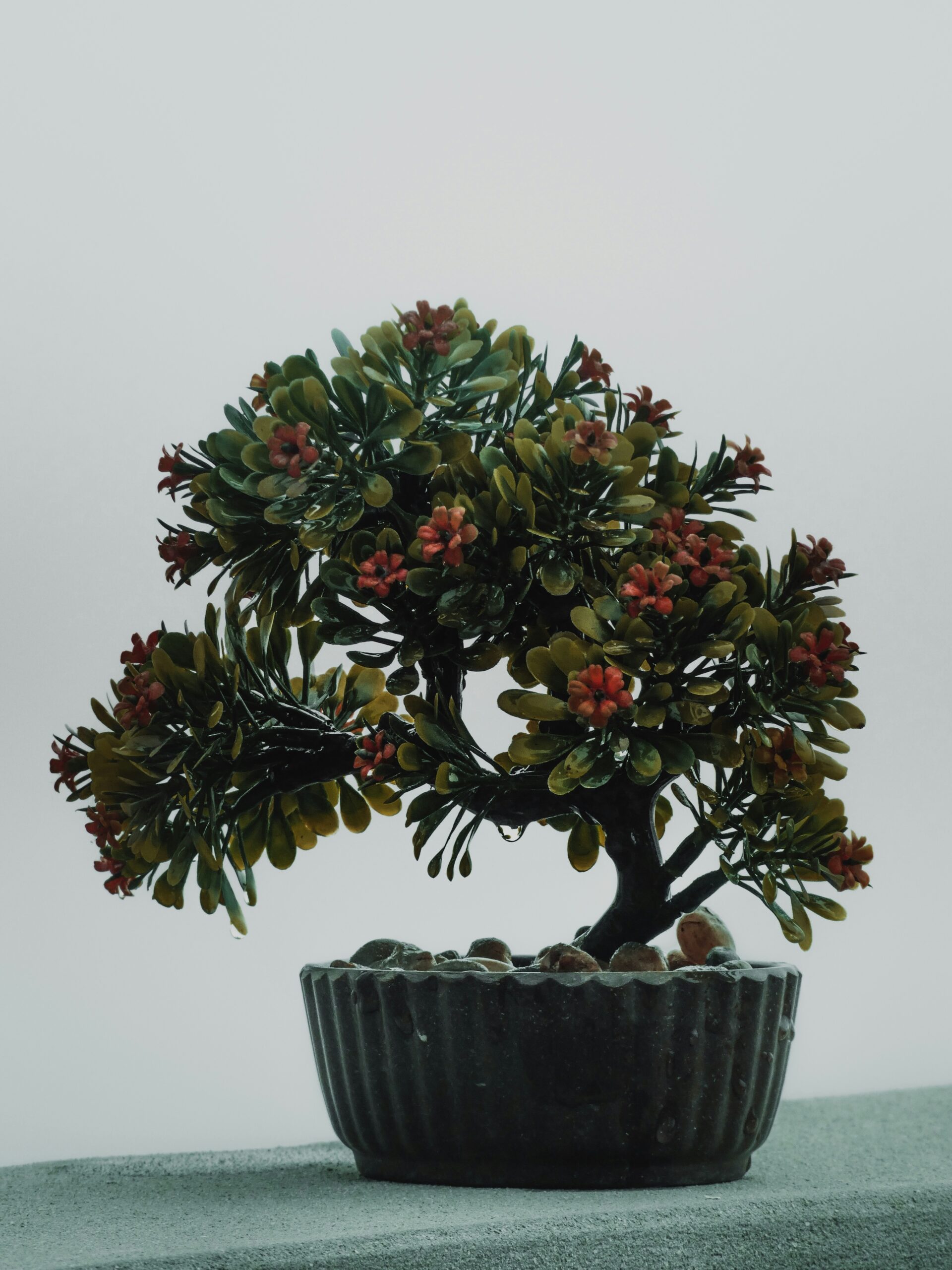
Imagine the enchanted feeling of having a serene miniaturized tree right in your own home. With “The Art of Bonsai: A Guide to Creating Beautiful Miniature Trees,” you can dive into the extraordinary world of bonsai and learn the secrets to cultivating these stunning tiny trees. From choosing the perfect specimen to shaping and caring for it with precision, this guide will take you on an engaging journey, unlocking the artistry behind bonsai and allowing you to create your own captivating masterpiece. Delve into the captivating world of bonsai aquascaping and discover your green thumb like never before.
Introduction to Bonsai
1.1 History and Origins of Bonsai
Bonsai, an ancient art form originating from China, has been practiced for over a thousand years. It was later introduced to Japan, where it gained immense popularity and evolved into the distinctive Japanese bonsai style we know today. Originally, bonsai was reserved for the elite, symbolizing wealth and status. However, over time, it became accessible to people from all walks of life, and its tranquil beauty captivated and inspired individuals across the globe.
1.2 Definition of Bonsai
Bonsai, which translates to “planted in a container,” is the art of growing miniaturized trees in pots. It involves cultivating and shaping these trees to resemble their full-sized counterparts found in nature. Bonsai trees are meticulously trained and maintained to achieve a harmonious balance between the tree’s size, shape, and overall aesthetic. This art form allows us to appreciate the beauty of nature on a small scale and brings a sense of calm and serenity to any space.
1.3 Benefits of Growing Bonsai
Growing bonsai trees goes beyond the sheer beauty they bring into our lives. Engaging in this art form offers numerous benefits, both for the tree grower and the viewer. Caring for bonsai trees requires patience, discipline, and an understanding of nature. It provides a therapeutic escape from our busy lives, promoting relaxation, stress relief, and mindfulness. Additionally, bonsai cultivation encourages a profound connection with nature, fostering a sense of tranquility and appreciation for the world around us.
1.4 Types of Bonsai Trees
There is an array of bonsai tree species to choose from, each with its unique characteristics and requirements. Some popular choices include the Japanese Maple, Pine, Juniper, Ficus, and Elm. Each tree species offers its own distinct beauty and challenges, allowing bonsai enthusiasts to explore different techniques and styles. Whether you prefer the delicate foliage of the Cherry Blossom or the rugged charm of the Pine, there is a bonsai tree for every person, taste, and skill level.
Understanding the Art of Bonsai
2.1 Principles and Philosophy
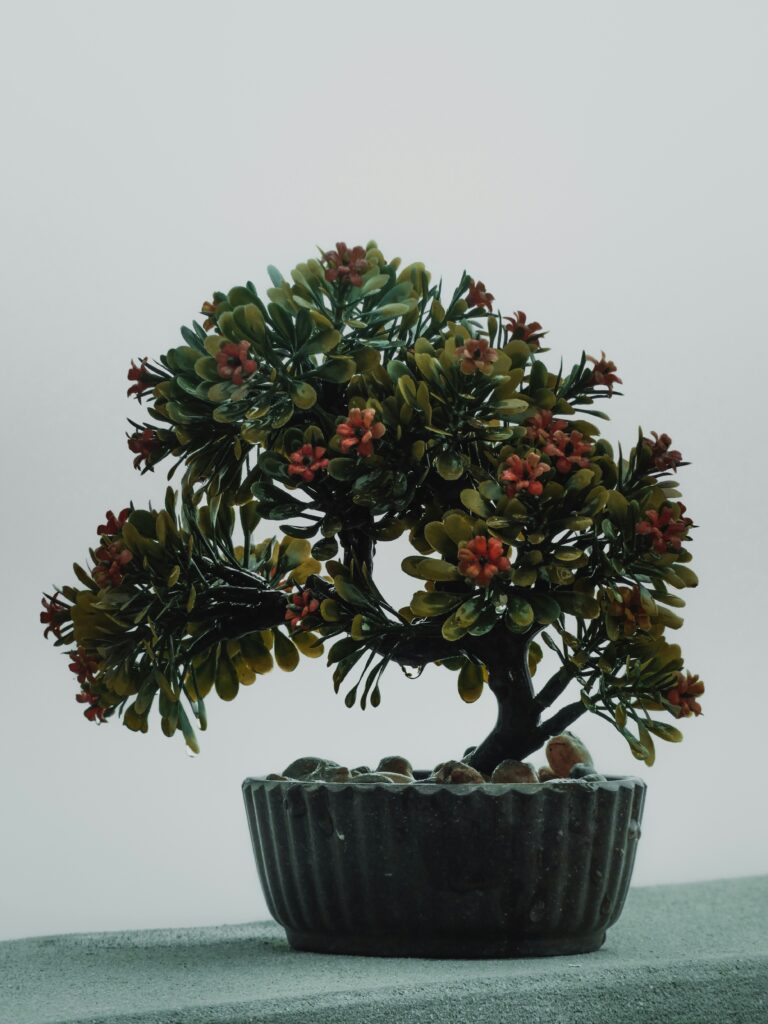
At the core of bonsai lies a set of principles and philosophy that guide the artistic process. Balance, harmony, and simplicity are fundamental aspects emphasized in bonsai design. These principles dictate the placement of branches, the shape and size of the tree, and the overall composition. Bonsai also embodies the values of patience, respect for nature, and a continuous quest for personal growth. By following these principles, bonsai enthusiasts create living works of art that convey a sense of serenity and beauty.
2.2 Symbolism in Bonsai
Bonsai is often associated with symbolism, offering a deeper meaning to the art form. The shape and style of a bonsai tree can symbolize various aspects, such as strength, longevity, balance, and the changing seasons. The carefully crafted branches and trunk reflect the growth and resilience of the tree, while the container represents the harmony between nature and the human hand. Bonsai also embodies the cycle of life, reminding us of the impermanence and beauty found in every stage of existence.
2.3 Bonsai Tools and Equipment
To effectively practice the art of bonsai, it is essential to have the right tools and equipment. While the list of tools may vary depending on the specific requirements of each tree species, there are essential tools that every bonsai enthusiast should possess. These include concave cutters, shears, wire cutters, root hooks, and bonsai pruning saws. These tools allow for precise trimming, styling, wiring, and maintenance of the tree. It is important to keep these tools clean and sharp to ensure the health and vitality of the bonsai.
Selecting the Right Bonsai Tree
3.1 Choosing the Right Species
Selecting the right bonsai tree species is crucial in ensuring a successful and enjoyable bonsai journey. Consider factors such as climate, available space, and personal preference when choosing a tree. If you live in a colder region, opt for species that are hardy and can withstand low temperatures. Conversely, if you reside in a warmer area, choose tree species that thrive in hotter conditions. Additionally, consider the growth characteristics and the size of the tree, ensuring it can be properly cared for and styled.
3.2 Determining Age and Health
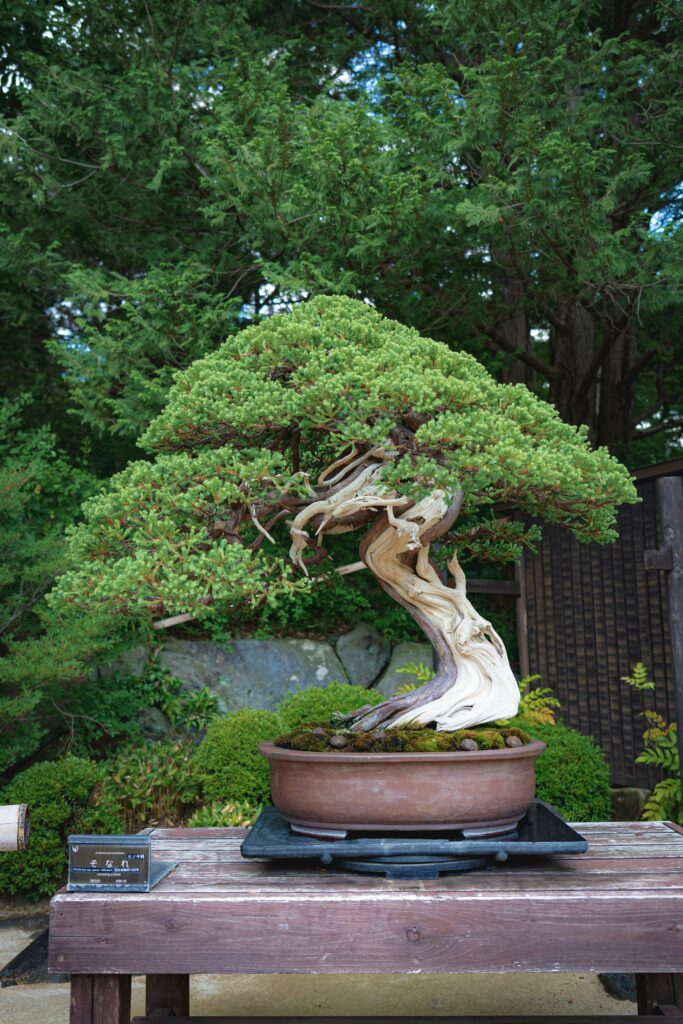
When selecting a bonsai tree, it is important to determine its age and overall health. Older trees offer a sense of history and character, while younger trees provide an opportunity for personal artistic expression and long-term growth. Examine the trunk, branches, and foliage for signs of pests, diseases, or any other issues that may affect the tree’s health. Look for a well-developed root system, as this is essential for the tree’s stability and long-term survival.
3.3 Considering Soil and Climate
Understanding the specific soil and climate requirements of the chosen bonsai tree species is crucial for its well-being. Different tree species thrive in various soil compositions and environmental conditions. Ensure the soil is well-draining to prevent root rot and allow for healthy root development. Consider the temperature and humidity requirements of the tree, adjusting the watering and care accordingly. Creating an environment that closely mimics the tree’s natural habitat will contribute to its overall health and vitality.
The Basics of Bonsai Care
4.1 Pruning and Shaping Techniques
Pruning and shaping are essential techniques in bonsai care to maintain the tree’s desired form and encourage healthy growth. Regular pruning helps control the tree’s size, shape, and overall structure. It involves removing dead, damaged, or excessively long branches to create a balanced and aesthetically pleasing silhouette. Additionally, selective pruning encourages back-budding, stimulating new growth and promoting ramification, the division and refinement of branches.
4.2 Wiring and Styling
Wiring is a technique widely used in bonsai to shape and position branches and create the desired design. It involves wrapping aluminum or copper wire around the branches and gently bending them into the desired position. This allows for intricate shaping and encourages the development of movement and grace within the tree’s structure. When styling a bonsai, consider the desired aesthetic, overall design principles, and the tree’s growth characteristics to achieve a harmonious and artistic composition.
4.3 Watering and Fertilizing
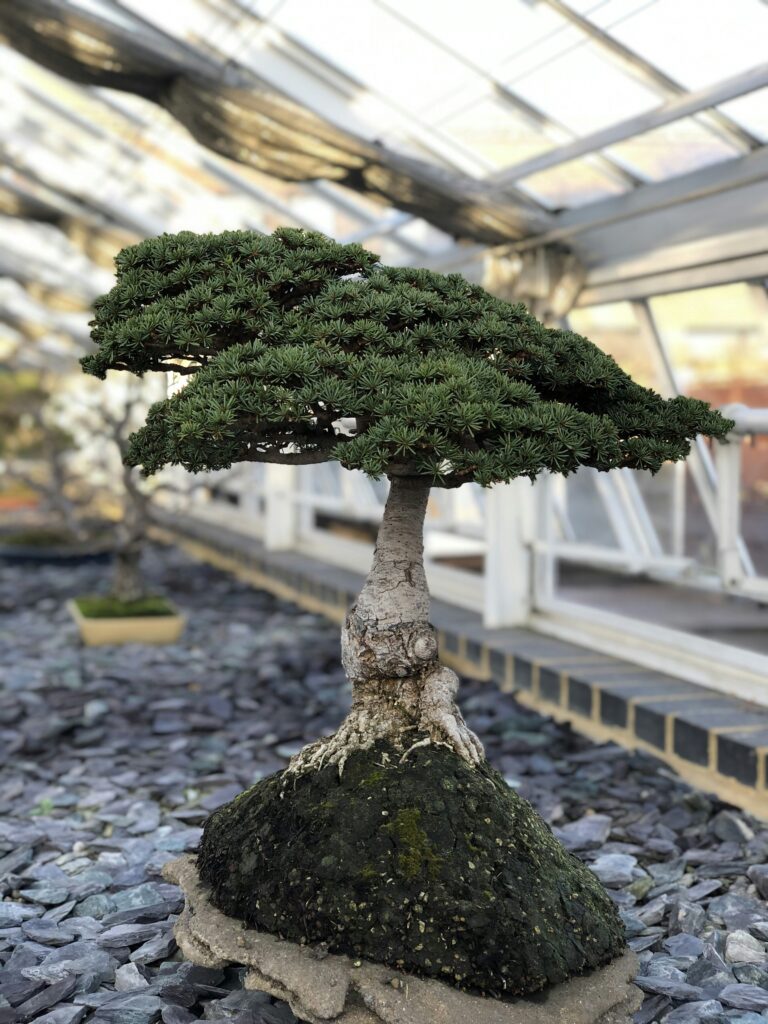
Proper watering and fertilizing are critical aspects of bonsai care to ensure the tree’s health and vitality. Water the bonsai thoroughly, allowing the water to penetrate the entire root system before draining excess water. Avoid overwatering or allowing the tree to sit in standing water, as this can lead to root rot. Fertilize the tree regularly using a balanced fertilizer specifically formulated for bonsai. This provides the necessary nutrients for growth and helps maintain the tree’s overall health and vigor.
4.4 Repotting and Root Pruning
Repotting is necessary to provide fresh soil, promote healthy root growth, and prevent the bonsai from becoming root-bound. It involves carefully removing the tree from its current pot, trimming the roots, and placing it in a new pot with fresh soil. Root pruning allows for the removal of any tangled or excessively long roots, ensuring a compact and well-developed root system. Repotting and root pruning should be performed at the appropriate time, depending on the specific tree species, to minimize stress and maintain the tree’s health.
Styling and Designing Bonsai
5.1 Formal Upright Style
The formal upright style is characterized by a straight, upright trunk and evenly spaced branches that gradually decrease in size as they ascend the tree. It represents strength, stability, and harmony. Achieving this style requires careful and strategic pruning, wiring, and training to create a balanced and symmetrically pleasing composition.
5.2 Informal Upright Style
The informal upright style embodies the asymmetrical and organic beauty found in nature. It features a slightly curved or tilted trunk, giving the impression of movement or growth in response to environmental conditions. Branches grow in all directions and vary in length, adding to the tree’s naturalistic appeal. This style requires careful observation and artistic intuition to create an elegant and dynamic composition.
5.3 Cascade Style
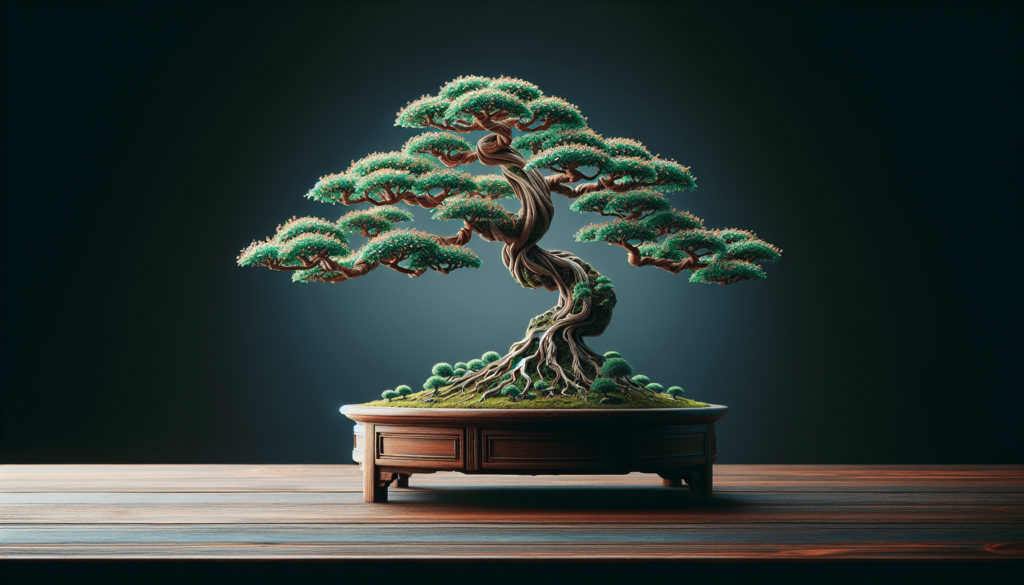
The cascade style emulates the image of a tree growing on a cliff or over a waterfall. The trunk cascades downward beyond the pot, creating a dramatic and visually striking appearance. This style conveys a sense of resilience, adaptability, and the ability to withstand harsh conditions. Achieving the cascade style involves precise pruning, wiring, and shaping techniques to create a flowing and graceful tree form.
5.4 Broom Style
The broom style showcases a symmetrical and dome-shaped crown of foliage atop a straight and upright trunk. It is reminiscent of mature trees found in open landscapes or parks. This style represents stability, balance, and the grandeur of nature. Creating the broom style involves pruning and shaping the branches to create an evenly distributed and full canopy.
5.5 Windswept Style
The windswept style captures the essence of a tree enduring strong winds and harsh conditions, resulting in a leaning or slanting trunk and branches. This style embodies resilience, strength, and the ability to adapt to challenging circumstances. Shaping a bonsai in the windswept style requires careful pruning, wiring, and positioning of the branches to create a captivating and dynamic composition.
5.6 Group Planting
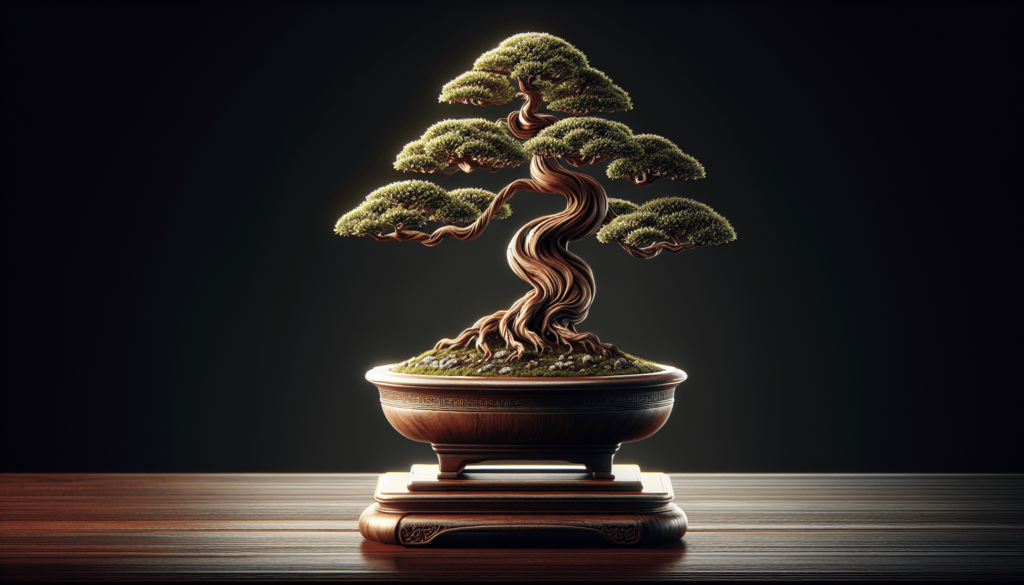
Group planting, also known as forest or grove planting, involves the arrangement of multiple bonsai trees in a single pot. This style replicates a natural forest ecosystem, showcasing the beauty of trees growing together in harmony. Each tree within the group planting should be carefully selected and arranged to create a balanced and visually appealing composition.
5.7 Forest Planting
Forest planting involves creating a miniature forest in a bonsai tray or shallow pot. Multiple trees of the same species or different species are meticulously arranged, mimicking the diverse layers and proportions of a natural forest. Forest planting allows for the expression of creativity and offers a unique and captivating display of miniature nature.
5.8 Choosing the Right Pot
Selecting the appropriate pot for a bonsai tree is crucial in enhancing its overall aesthetic and maintaining its health. Consider the size, shape, and material of the pot, ensuring it complements the tree’s style and characteristics. The pot should provide sufficient space for root growth and drainage holes to prevent waterlogging. Additionally, the color and texture of the pot should harmonize with the tree’s foliage and overall design.
5.9 Adding Accents and Landscape
To further enhance the visual impact of a bonsai display, accents such as rocks, moss, and miniature figurines can be incorporated. These elements create depth, texture, and a sense of scale within the composition. Additionally, creating a miniature landscape, complete with carefully chosen stones and ground cover plants, can transport the viewer into a tranquil and captivating environment.
Advanced Bonsai Techniques
6.1 Air Layering
Air layering is a technique used to propagate and shape bonsai trees. It involves creating a wound on a branch, applying rooting hormone, and wrapping it with sphagnum moss and plastic to encourage root growth. This technique allows for the creation of new roots and the separation of the layer from the parent tree, resulting in a new bonsai tree with a pre-established trunk and branches.
6.2 Grafting
Grafting is a technique used to introduce a specific feature, such as unique foliage or color, onto an existing bonsai tree. It involves joining a scion, a small branch or bud, from one tree onto the trunk or branch of another tree, known as the rootstock. Grafting allows for the creation of unique and visually interesting bonsai trees by combining different species or varieties.
6.3 Defoliation
Defoliation is a technique used to promote ramification, refine leaf size, and encourage more branch growth. It involves removing all or most of a bonsai tree’s leaves during the growing season. This technique stimulates the tree to produce new leaves, reducing leaf size and creating a more dense and intricate foliage structure.
6.4 Carving and Deadwood Techniques
Carving and deadwood techniques involve manipulating and shaping the dead or decaying portions of a bonsai tree to create visually appealing features. Carving allows for the creation of textured and aged effects, while deadwood techniques create lifelike hollows, jins, or shari, resembling the natural aging process of trees. These techniques add character, depth, and a sense of history to a bonsai tree.
Bonsai Troubleshooting
7.1 Identifying and Treating Pests
Pests, such as aphids, spider mites, or scale insects, can infest bonsai trees, affecting their health and appearance. Regularly inspect the tree’s leaves, branches, and soil for signs of pests. If an infestation is detected, take immediate action to control and treat the problem. Organic insecticidal soaps, horticultural oils, or specific pesticides can be used, depending on the severity of the infestation and the tree’s sensitivity.
7.2 Dealing with Diseases
Bonsai trees are susceptible to various diseases, including fungal infections, root rot, and leaf spot diseases. Regular observation and proper care can help prevent diseases from affecting the bonsai. If a disease is detected, promptly quarantine the affected tree to prevent the spread to other plants. Depending on the specific disease, treatments such as fungicides, pruning infected parts, or adjusting watering and environmental conditions may be necessary.
7.3 Preventing Common Problems
Preventing common problems in bonsai cultivation starts with maintaining proper care and observing the tree regularly. Avoid overwatering or underwatering, as this can lead to root rot or dehydration. Provide adequate light and air circulation to prevent issues such as weak growth or fungal infections. Additionally, ensure proper fertilization, soil composition, and proper pruning techniques to avoid nutrient deficiencies or improper growth patterns.
Displaying and Exhibiting Bonsai
8.1 Choosing the Right Display Stand
Choosing the right display stand is essential to showcase the beauty and artistry of a bonsai tree. Consider the tree’s size, style, and characteristics when selecting a display stand. The stand should provide stability and enhance the overall visual impact of the bonsai. Material options range from wood to metal, with various designs available to suit different aesthetic preferences and the specific requirements of the tree.
8.2 Creating an Attractive Display
Creating an attractive display involves careful consideration of the bonsai tree, its pot, additional elements, and the overall composition. Choose a background, such as a wall or fabric, that complements the bonsai and enhances its unique characteristics. Utilize appropriate accent pieces, such as stones or figurines, to enrich the display. Pay attention to proper spacing and positioning, ensuring each element harmonizes with the others to create a visually pleasing and captivating display.
8.3 Participating in Bonsai Exhibitions
Participating in bonsai exhibitions allows bonsai enthusiasts to share their passion and showcase their artistic creations. Prepare the bonsai meticulously by ensuring it is in optimal health and properly styled. Follow all exhibition guidelines and requirements, including the size and format of the display. Present the bonsai with pride and confidence, as each tree represents the culmination of hours of dedicated care and artistic expression.
Bonsai as a Therapeutic Hobby
9.1 Stress Relief and Mindfulness
Engaging in bonsai cultivation offers a therapeutic escape from the stresses and pressures of everyday life. The gentle process of caring for a bonsai tree promotes relaxation, calmness, and mindfulness. Focusing on the tree’s needs, such as watering, pruning, and styling, allows you to immerse yourself in the present moment, creating a sense of peace and tranquility.
9.2 Cultivating Patience and Discipline
Bonsai cultivation demands patience and discipline, as trees require years or even decades to develop and mature. Nurturing the bonsai throughout its growth journey fosters discipline and perseverance. This art form teaches us to appreciate the process and the passage of time, allowing us to develop patience, an invaluable trait that can be applied to various aspects of our lives.
9.3 Connecting with Nature
Bonsai cultivation allows for a deep connection with nature, bringing the beauty and essence of the natural world indoors. By caring for bonsai trees, we become more attuned to the cycles of the seasons, the growth patterns of various tree species, and the intricate balance found in every living organism. This connection with nature offers solace, inspiration, and a heightened appreciation for the marvels of the world around us.
Conclusion
The world of bonsai is a captivating journey, offering a profound connection with nature, self-expression, and a sense of tranquility. Through the careful cultivation, styling, and maintenance of bonsai trees, we gain insight into the principles of balance, harmony, and patience. Whether you are a beginner or an experienced enthusiast, the art of bonsai invites you to embark on a remarkable exploration of beauty, artistry, and personal growth. Take the time to learn, experiment, and create your own miniature masterpiece, and let the art of bonsai bring joy and serenity to your life.