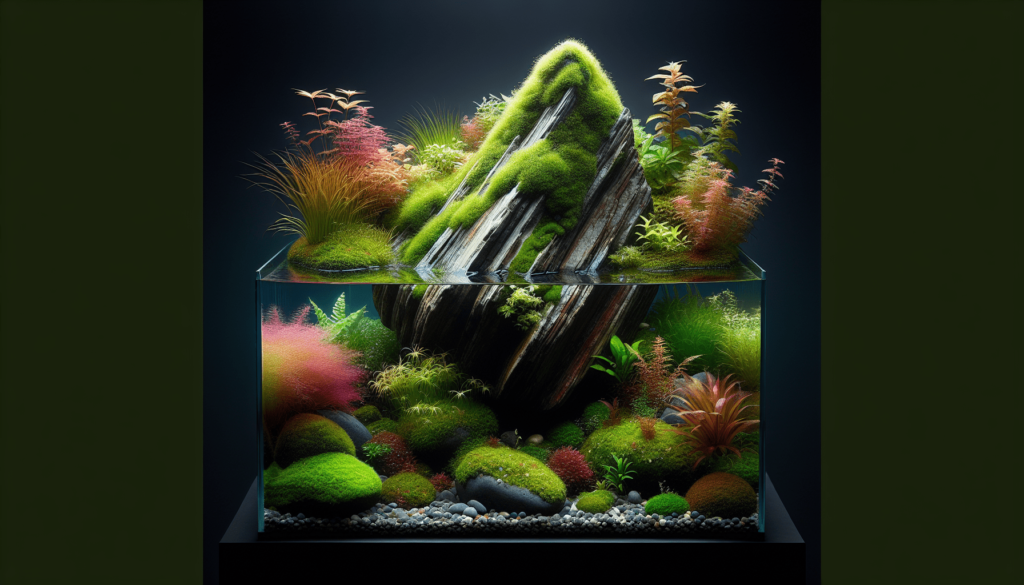
Imagine transforming your aquarium into a breathtaking work of art that mesmerizes everyone who lays eyes on it. The Art of Aquascaping is a captivating journey that takes you into the world of creating stunning aquatic landscapes. This article delves into the secrets and techniques of aquascaping, guiding you step by step on how to transform your plain aquarium into a visually striking masterpiece. From selecting the perfect plants and hardscape materials to mastering the art of balancing water chemistry, you’ll discover the keys to creating an aquatic oasis that is both aesthetically pleasing and sustainable for your aquatic inhabitants. Get ready to unlock the secrets of aquascaping and unleash your creativity in the world of aquaria.
What is Aquascaping?
Aquascaping is the art of creating and designing stunning underwater landscapes in aquariums. It involves carefully arranging aquatic plants, rocks, driftwood, and other materials to achieve a visually appealing and natural-looking aquatic environment. Aquascaping combines creativity, artistic skill, and knowledge of aquatic plants and fish to create a miniature ecosystem that is both beautiful and functional.
Definition of Aquascaping
Aquascaping is the process of creating a visually stunning underwater landscape in an aquarium by arranging various elements such as plants, rocks, and driftwood. It is a form of art that requires creativity, design principles, and a deep understanding of aquatic ecosystems.
The History of Aquascaping
Aquascaping can be traced back to the ancient art of bonsai, which involved cultivating miniature trees in pots or trays. The idea of creating miniature landscapes within a confined space inspired the development of aquascaping in Japan during the 20th century. This art form gained popularity in the West in the 1990s, and since then, it has evolved into a thriving hobby with various styles and techniques.
The Importance of Aquascaping in the Aquarium Hobby
Aquascaping plays a vital role in the aquarium hobby as it not only enhances the visual appeal of the tank but also creates a natural and healthy environment for the inhabitants. A well-designed aquascape provides hiding places, territories, and natural boundaries for fish and other aquatic creatures. Additionally, aquatic plants in a well-maintained aquascape help in oxygenating the water, removing toxins, and maintaining water quality.
Selecting the Right Aquarium
Choosing the right aquarium is essential for a successful aquascape. Consider the following factors when selecting an aquarium:
Determining the Size and Shape
The size and shape of the aquarium will depend on your available space and personal preferences. A larger tank provides more room for creativity and a stable environment for fish and plants. However, a smaller tank can still be beautifully aquascaped with careful planning and selection of appropriate plants and fish.
Choosing the Appropriate Material
The material of the aquarium can be glass or acrylic. Glass aquariums are more affordable, scratch-resistant, and provide better clarity. Acrylic tanks, on the other hand, are lighter, more durable, and offer more flexibility in terms of shape and design. Consider your budget and aesthetic preferences when choosing the material.
Considering Additional Features
Some aquariums come with built-in features such as cabinets, stands, or hoods. These additional features can enhance the overall appearance and functionality of the aquascape. Decide whether you want a standalone aquarium or one with integrated features based on your needs and budget.
Essential Equipment for Aquascaping
To create and maintain a thriving aquascape, certain equipment is necessary. Here are some essential pieces of equipment you will need:
Aquarium Filter
A reliable aquarium filter is crucial for maintaining water quality by removing debris, harmful chemicals, and maintaining a healthy balance of beneficial bacteria. Choose a filter that is appropriate for the size of your aquarium and the needs of your aquatic inhabitants.
Aquarium Heater
To provide a suitable environment for tropical fish and plants, an aquarium heater is essential. It helps maintain a stable water temperature, ensuring the well-being of your aquatic organisms.
Lighting System
Proper lighting is essential for the growth and health of aquatic plants. Choose a lighting system that provides the right spectrum and intensity for the plants you plan to cultivate in your aquascape.
Substrate
The substrate is the material that lines the bottom of the aquarium and provides a foundation for planting aquatic plants. Choose a substrate that is specifically designed for aquarium use and supports the growth of plants.
Aquatic Plants
Aquatic plants are a key component of any aquascape. They not only enhance the aesthetic appeal but also contribute to the health of the aquarium by oxygenating the water, absorbing nutrients, and providing hiding places for fish.
Hardscape Elements
Hardscape elements such as rocks, driftwood, or stones add visual interest and natural appeal to an aquascape. Consider the type, size, and arrangement of hardscape elements to create a visually pleasing layout.
CO2 Injection System
A CO2 injection system helps promote healthy plant growth by providing carbon dioxide. This system is crucial for aquascapes with a high demand for plant growth.
Design Principles for Aquascaping
To achieve a visually stunning aquascape, several design principles should be considered. These principles help create a balanced, harmonious, and visually appealing layout. Here are some design principles to keep in mind:
Balance
Balance is crucial in aquascaping to create a visually pleasing composition. Consider the placement of plants, hardscape elements, and negative space to achieve a sense of balance and harmony.
Contrast
Contrasting elements such as colors, textures, and sizes can create visual interest and focal points in an aquascape. Use a combination of contrasting plants, rocks, and hardscape elements to create a dynamic and eye-catching design.
Focal Point
A focal point is a visually dominant element that draws the viewer’s attention. Consider creating a focal point using a striking plant or a unique arrangement of hardscape elements to add depth and visual interest to your aquascape.
Depth and Perspective
Creating the illusion of depth and perspective in an aquascape adds visual interest and realism. Use the arrangement of plants and hardscape elements to create foreground, midground, and background layers, giving a sense of depth to the aquarium.
Color Theory
Utilize the principles of color theory to create a harmonious and aesthetically pleasing color palette. Consider the color of plants, hardscape elements, and fish when selecting and arranging components in your aquascape.

Preparing the Aquarium
Before diving into the process of aquascaping, proper preparation is essential. Follow these steps to prepare your aquarium:
Cleaning the Aquarium
Thoroughly clean the aquarium, including the glass or acrylic surface, filter, lighting system, and all equipment. Remove any debris, dust, or residue with a non-toxic cleaner specifically designed for aquariums.
Installing the Equipment
Install the aquarium filter, heater, and lighting system according to the manufacturer’s instructions. Ensure that they are positioned correctly and securely in the tank.
Adding the Substrate
Carefully add the substrate to the aquarium, ensuring that it is distributed evenly across the bottom. The depth of the substrate will depend on the type of plants you plan to cultivate in your aquascape.
Creating the Aquatic Landscape
Now that your aquarium is fully prepared, it’s time to create your aquatic landscape. Follow these steps to achieve a stunning aquascape:
Planning the Layout
Before placing any plants or hardscape elements, plan the layout of your aquascape. Consider the size and shape of the tank, the needs of your aquatic organisms, and the design principles discussed earlier. Sketch out your plan or use software or online tools to visualize the layout.
Arranging the Hardscape
Start by arranging the hardscape elements such as rocks, driftwood, or stones. Experiment with different arrangements, considering the flow and focal points of your design. Place them securely in the substrate, ensuring stability.
Planting Aquatic Plants
Carefully plant the aquatic plants according to your plan. Dig small holes in the substrate and gently insert the plants, ensuring that the roots are well-covered. Consider the lighting and watering needs of each plant.
Filling the Aquarium with Water
Once the hardscape and plants are in place, fill the aquarium with water. Pour the water slowly to avoid disturbing the substrate or displacing the plants. Use a plate or a saucer to disperse the water and prevent disturbance.
Cycling the Tank
Before adding fish or other animals, the aquarium needs to go through a process called cycling. This process involves establishing beneficial bacteria colonies that will break down harmful ammonia and nitrite compounds. Allow the tank to cycle for several weeks before adding any livestock.

Maintenance and Care
To keep your aquascape thriving and looking its best, regular maintenance is necessary. Here are some essential maintenance tasks:
Regular Water Changes
Perform regular water changes to maintain water quality and prevent the buildup of harmful chemicals and waste. Aim for weekly partial water changes of around 10-20% of the total water volume.
Trimming and Pruning Aquatic Plants
Regularly trim and prune aquatic plants to prevent overgrowth and maintain the desired shape and appearance of your aquascape. Remove any dead or decaying plant material to avoid nutrient imbalances and algae growth.
Managing Algae Growth
Algae can be a common challenge in aquascaping. To manage algae growth, maintain a proper balance of light, nutrients, and carbon dioxide. Use algae scrapers or brushes to remove algae from the glass or acrylic surfaces.
Fertilizing the Plants
Aquatic plants rely on nutrients to grow and thrive. Supplement their nutrient needs by adding fertilizers specifically designed for aquarium use. Follow the dosage instructions carefully to avoid nutrient imbalances.
Monitoring Water Parameters
Regularly test the water parameters such as temperature, pH, ammonia, nitrite, and nitrate levels. Monitoring these parameters will help you maintain a healthy and stable aquatic environment. Make adjustments as needed based on the test results.
Fish and Invertebrate Selection
Choosing the right fish and invertebrates is crucial for the well-being of your aquascape. Consider the following factors when selecting livestock:
Choosing Compatible Species
Ensure that the fish and invertebrates you choose are compatible with each other in terms of temperament, size, and water parameters. Avoid combining species that may exhibit aggressive or territorial behavior towards each other.
Considering Their Needs
Research the specific requirements of the fish and invertebrates you are interested in keeping. Consider their preferred water temperature, pH levels, and dietary needs. Ensure that their needs align with the conditions you can provide in your aquascape.
Adding Livestock to the Aquascape
Introduce fish and invertebrates gradually to your aquascape. Acclimate them to the water temperature and conditions by floating their bag in the tank for about 15-30 minutes. Slowly release them into the aquarium to minimize stress.
Aquascaping Styles
Aquascaping offers a wide range of styles and themes to suit different tastes and preferences. Here are some popular aquascaping styles to explore:
Dutch Style
The Dutch style focuses on lush and densely planted aquascapes with a variety of colorful plants arranged in layers, creating a vibrant and dynamic look.
Nature Style
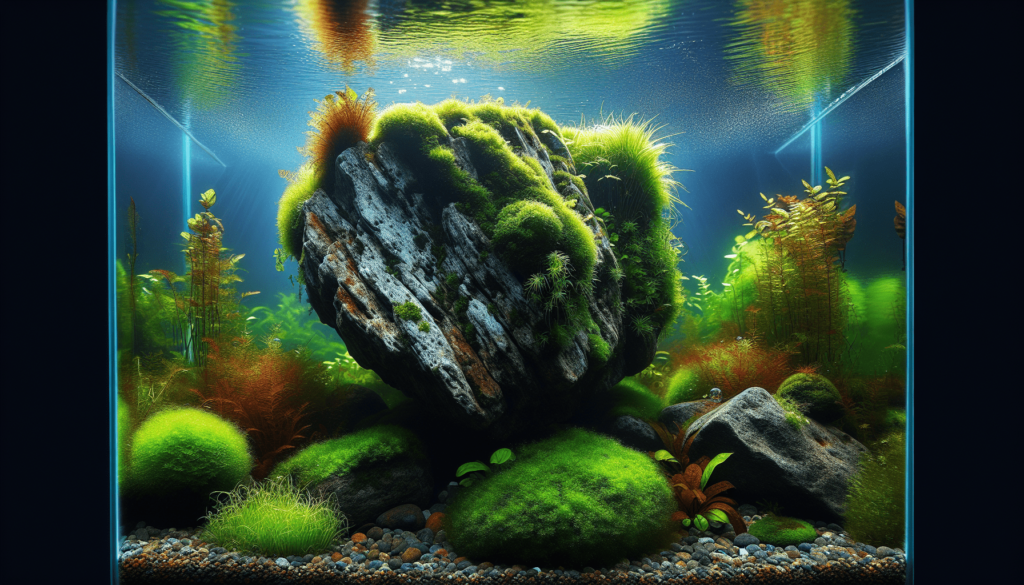
The nature style aims to recreate a slice of the natural world in the aquarium. It emphasizes a sense of balance and harmony, incorporating natural elements such as driftwood and rocks to create a realistic aquatic landscape.
Iwagumi Style
The Iwagumi style originates from Japanese gardening traditions and focuses on simplicity and minimalism. It often features a single stone as the focal point, surrounded by carefully arranged plants.
Biotope Style
The biotope style recreates a specific aquatic ecosystem found in nature. It aims to mimic the natural habitat of certain fish, plants, and invertebrates, showcasing a harmonious balance between the living organisms and their environment.
Paludarium Style
The paludarium style combines both aquatic and terrestrial elements. It features a combination of underwater and above-water plants, creating a unique and dynamic environment that houses both aquatic and terrestrial species.
Showcasing Your Aquascape
Once you have created a stunning aquascape, you may want to showcase it and share your passion with others. Here are some ways to do so:
Photography Tips
Capture the beauty of your aquascape by taking high-quality photographs. Use proper lighting, adjust the camera settings, and experiment with different angles to capture the essence of your aquatic landscape.
Participating in Aquascaping Competitions
Consider participating in aquascaping competitions to showcase your skills and creativity. Competitions offer opportunities to receive feedback, learn from experienced aquascapers, and gain recognition for your work.
Aquascaping is a captivating hobby that combines creativity, artistry, and a deep understanding of aquatic ecosystems. With the right knowledge and skills, you can create stunning underwater landscapes that not only enhance the beauty of your home but also provide a natural and healthy environment for aquatic life. So dive in, explore different styles, and embark on your aquascaping journey with enthusiasm and passion!