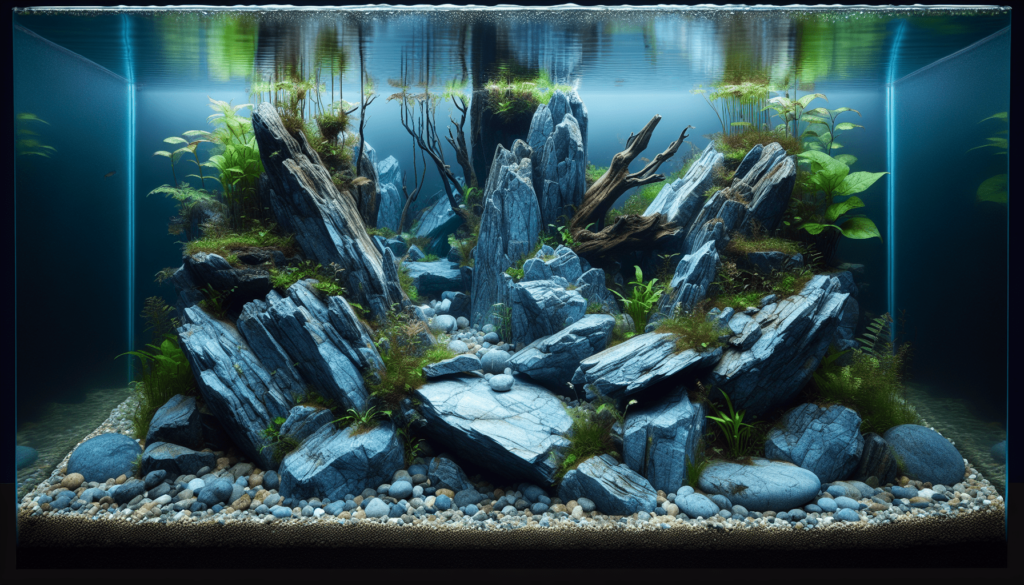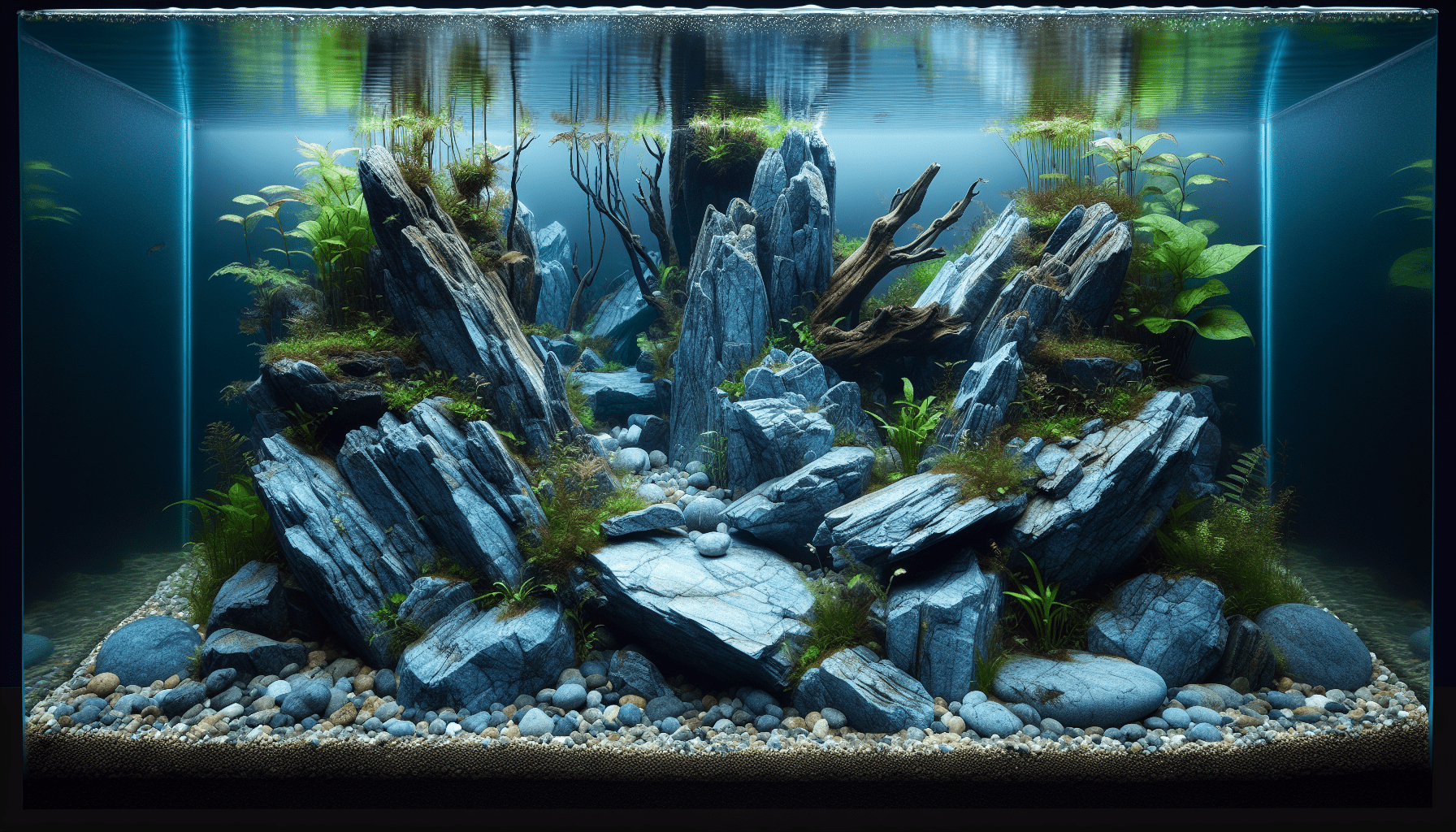
Imagine transforming your aquarium into a captivating underwater wonderland with the simple addition of Seiryu stone. The beauty of aquascaping with Seiryu stone lies in its unique blend of rich color and mesmerizing textures, elevating your aquatic landscape to new heights. As this stone is carefully arranged, it creates a striking and naturalistic backdrop, allowing your aquatic plants and fish to truly shine. With Seiryu stone, you have the power to create a visually stunning and serene oasis right in the comfort of your own home.
What is Aquascaping?
Aquascaping is the art of creating and arranging underwater landscapes within an aquarium. It involves carefully designing and arranging various elements such as rocks, plants, substrate, and other decorative objects to create a visually appealing and balanced environment for aquatic life. Aquascaping combines principles of design, horticulture, and architecture to create stunning underwater landscapes that mimic natural habitats.
Definition of Aquascaping
Aquascaping can be defined as the process of arranging aquatic plants, rocks, and other decorative elements in an aquarium to create a captivating and visually pleasing underwater scene. It is a creative and artistic form of expression that requires careful planning and consideration of various factors, including the type of species you intend to keep, the desired aesthetic appeal, and the overall functionality of the aquarium.
Origin and History of Aquascaping
Aquascaping as an artform has its roots in the development of the modern aquarium hobby. The practice of aquascaping originated in the 1930s in Japan, where it initially focused on creating naturally balanced and beautiful layouts. This approach, known as the Nature Aquarium style, was pioneered by Takashi Amano, who is often credited with popularizing the art of aquascaping on a global scale.
Over the years, aquascaping has evolved and diversified into various styles and techniques, influenced by the culture and natural landscapes of different regions. Today, it is a popular hobby worldwide, with aquascaping competitions, dedicated online communities, and a thriving industry that caters to the needs of aquascapers.
Purpose and Benefits of Aquascaping
Aquascaping offers numerous benefits for both the aquarist and the inhabitants of the aquarium. Firstly, it provides a visually stunning centerpiece for any space, whether it is a home, office, or public setting. The intricate and meticulously arranged underwater landscapes can evoke a sense of tranquility, beauty, and awe, creating a mesmerizing focal point.
From a practical standpoint, aquascaping promotes the well-being and health of aquatic life. It allows for the creation of naturalistic environments that mimic the habitats from which the species originate. This not only enhances their overall quality of life but also encourages their natural behaviors and breeding patterns.
Aquascaping also offers a therapeutic value, providing a sense of relaxation and stress relief for those who engage in the hobby. The process of planning and executing an aquascape requires focus and concentration, which can help reduce anxiety and promote mindfulness.
Introduction to Seiryu Stone
Definition and Characteristics of Seiryu Stone
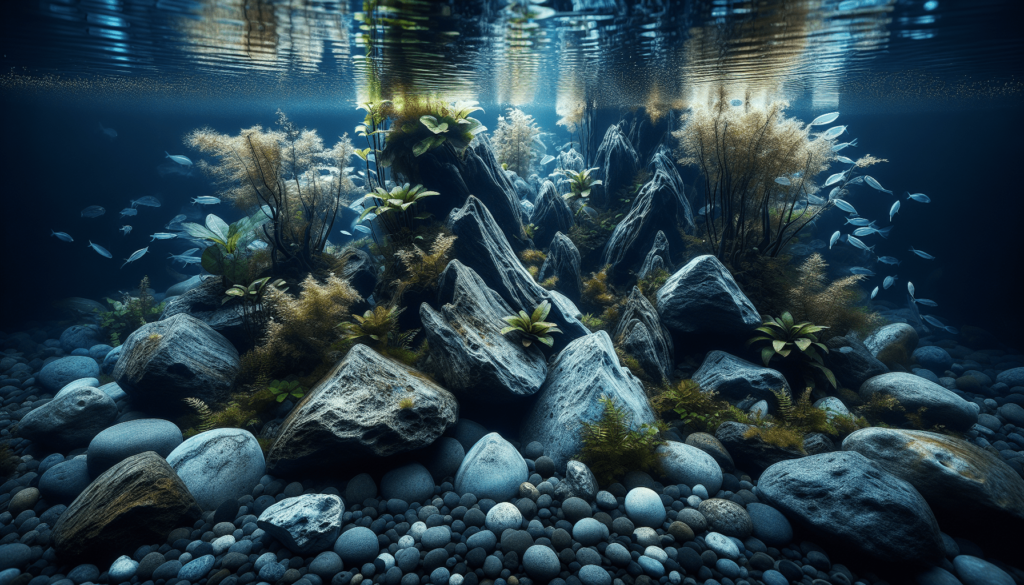
Seiryu Stone, also known as Ryuoh Stone, is a popular hardscape material widely used in aquascaping. It is a type of limestone that is highly valued for its unique and striking appearance. Seiryu Stone is characterized by its intricate texture, with pronounced veins and crevices that add depth and dimension to any aquascape.
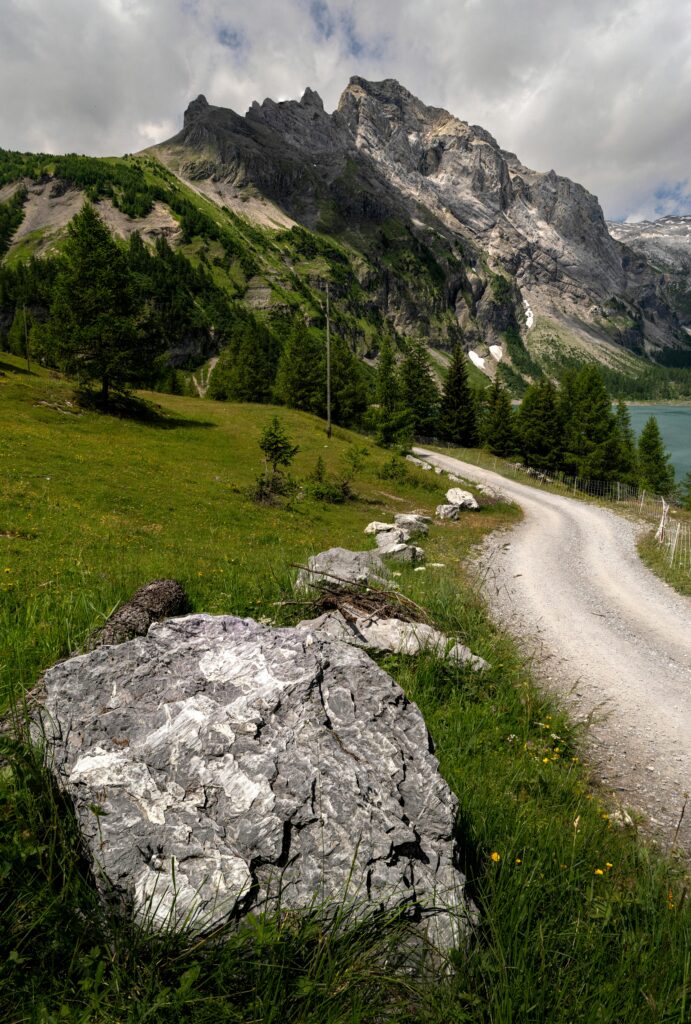
The coloration of Seiryu Stone ranges from gray to bluish-gray, with variations in shade caused by the presence of different minerals. It often features captivating swirls of white or beige, providing a beautiful contrast against the darker tones. Its rugged and weathered appearance gives it a natural and ancient look, making it an excellent choice for creating stunning underwater landscapes.
Origin and Availability of Seiryu Stone
Seiryu Stone is primarily sourced from Japan, where it is abundant and widely available. It is quarried from specific locations, particularly around the Seiryu Mountain in the Aichi Prefecture. The stone has been formed over millions of years through geological processes, resulting in its distinct texture and composition.
Due to its popularity, Seiryu Stone is now exported to various countries, making it accessible to aquascapers worldwide. It can be purchased from specialized aquarium stores, online retailers, and hardscape suppliers. When selecting Seiryu Stone, it is essential to choose specimens that are aquarium-safe, as some may contain potentially harmful substances that can affect water chemistry.
Why Seiryu Stone is Popular in Aquascaping
Seiryu Stone has garnered immense popularity among aquascapers for several reasons. Firstly, its unique texture and coloration add a sense of drama and natural beauty to any aquascape. The intricate veining and weathered appearance create a visually appealing focal point that draws the viewer’s attention.
Moreover, Seiryu Stone is highly versatile and can be used to create various aquascaping styles. Whether you prefer a lush nature-inspired layout or a minimalist Iwagumi design, Seiryu Stone can be effectively incorporated to achieve your desired aesthetic. Its neutral color palette allows it to complement a wide range of aquatic plants and fish species, making it a versatile choice that suits many different aquarium setups.
Another reason for Seiryu Stone’s popularity is its durability and longevity. It is a hard and dense stone that does not erode easily, even in underwater conditions. This makes it suitable for long-term use in aquariums, as it maintains its structural integrity and does not release harmful substances into the water.

Aquascaping with Seiryu Stone
Choosing the Right Seiryu Stone
When selecting Seiryu Stone for your aquascape, there are a few important factors to consider. Firstly, you should carefully examine each specimen to ensure it is free of cracks, chips, or other damage. Aesthetically, you may prefer stones with interesting patterns and veining that add visual interest to your layout.
It is also crucial to choose stones that are proportional to the size of your aquarium. Larger stones can overpower a small tank, while smaller stones may get lost in a larger setup. Consider the scale and dimensions of your aquarium, as well as the overall vision you have for your aquascape, when selecting the right Seiryu Stones.
Preparing the Seiryu Stone for Aquascaping
Before adding Seiryu Stone to your aquarium, it is essential to properly clean and prepare it to ensure it is safe for aquatic life. Start by rinsing the stones thoroughly under running water to remove any loose particles or debris. This will help prevent cloudiness in your tank and maintain water clarity.
After rinsing, it is advisable to soak the stones in water for a few days to leach out any potential harmful substances. This process helps to stabilize the stone’s pH and reduce the risk of negatively impacting the water chemistry of your aquarium. During the soaking process, you may notice some discoloration or cloudiness in the water, but this should dissipate with time.
Placement and Arrangement Techniques
The placement and arrangement of Seiryu Stone can significantly impact the overall look and feel of your aquascape. There are various methods and techniques that you can utilize to create different visual effects and landscapes.
One popular technique is the “golden ratio” method, which involves dividing the aquarium layout into specific sections according to the golden ratio (approximately 1:1.618). This creates a balanced and harmonious composition that is visually appealing. You can position the Seiryu Stones according to these proportions, ensuring that they are placed at strategic points that create a sense of depth and perspective.
Another technique commonly used in aquascaping is the “rule of thirds.” This technique divides the aquarium into a grid of nine equal sections, with the key focal points placed at the intersection points. By utilizing this technique, you can position the Seiryu Stones in a way that draws the viewer’s attention and creates visual interest.
Creating Natural Aquascaping Landscapes
Seiryu Stone is particularly well-suited for creating naturalistic aquascapes that mimic the beauty of real-life landscapes. By carefully arranging the stones and incorporating other elements such as substrate, driftwood, and aquatic plants, you can create a miniature version of a mountainous terrain, a serene riverbed, or a rocky coastal scene.
To create a mountainous landscape, place the larger Seiryu Stones towards the back of the aquarium to represent the towering peaks. Gradually position smaller stones towards the front to create the illusion of rolling hills. By skillfully layering the stones and integrating them with lush green plants, you can achieve a stunning and realistic mountainous scene.
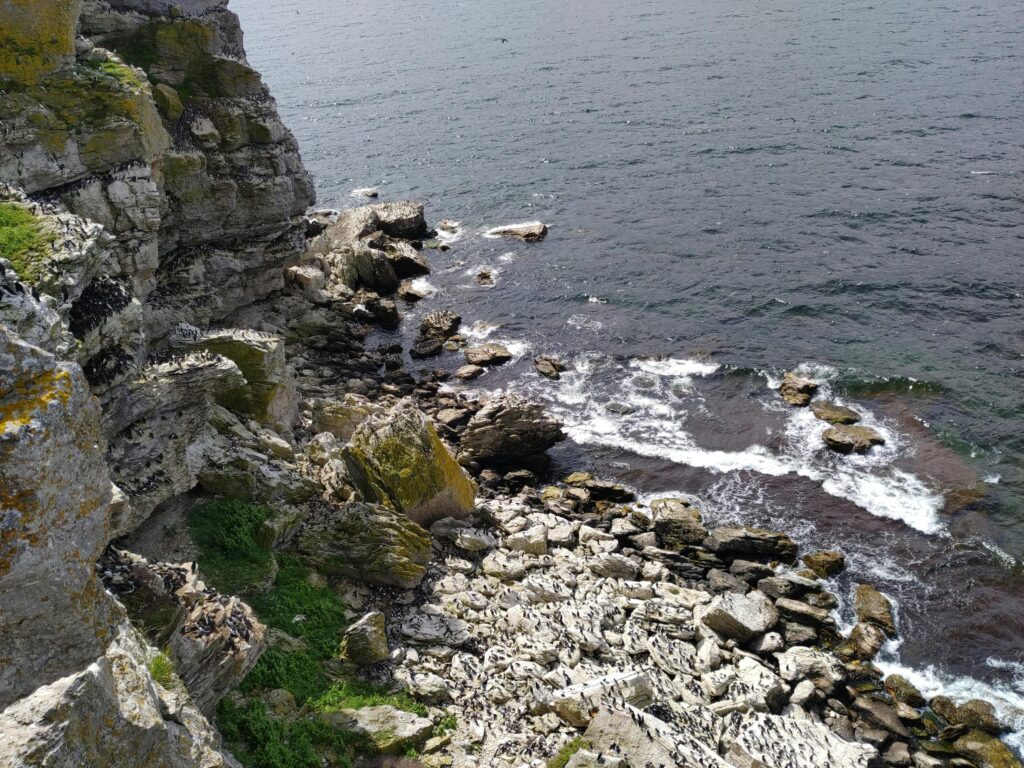
For a riverbed or coastal theme, arrange the Seiryu Stones in a way that resembles the natural flow of water. Consider the direction of flow and incorporate smaller, rounded stones to simulate pebbles or rocks along the riverbank. Add aquatic plants that thrive in riparian environments, such as Vallisneria or Cryptocoryne species, to enhance the natural feel.
Variations and Combinations with Other Materials
While Seiryu Stone can create breathtaking aquascapes on its own, it also pairs well with other materials to create captivating visual combinations. By incorporating different hardscape materials such as driftwood, lava rock, or black lava sand, you can achieve contrasting textures and colors that add depth and dimension to your aquascape.
Driftwood, for example, complements the rugged appearance of Seiryu Stone and adds a touch of organic warmth to the layout. Combine the two elements to create a captivating contrast between the hard and soft textures, mimicking the juxtaposition often found in natural landscapes.
Additionally, incorporating live aquatic plants into your aquascape can further enhance the overall aesthetic appeal. Plants such as Anubias, Java Fern, and Bucephalandra can be attached to the Seiryu Stones using aquarium-safe glue or fishing line. This not only adds a touch of vibrant green to the layout but also provides a natural habitat and hiding places for aquatic life.
Benefits of Seiryu Stone in Aquascaping
Enhanced Aesthetics and Visual Appeal
One of the significant benefits of using Seiryu Stone in aquascaping is its ability to enhance the overall aesthetics and visual appeal of an aquarium. The intricate veining, unique texture, and natural colors of the stone create a captivating focal point that draws the viewer’s attention. Whether used as the main hardscape material or as an accent piece, Seiryu Stone adds a sense of drama, depth, and artistic beauty to any aquascape.
Creating a Natural Environment for Aquatic Life
Aquascaping aims to replicate natural ecosystems and provide a suitable environment for aquatic life. Seiryu Stone directly contributes to this goal by creating a more naturalistic and realistic habitat for fish, invertebrates, and plants. The rugged and weathered appearance of the stone resembles natural rock formations found in rivers, lakes, and coastlines, helping to create a stress-free and familiar environment for the inhabitants of the aquarium.
Promoting Healthy Growth of Aquatic Plants
Aquatic plants play a vital role in the overall health and well-being of an aquarium. Seiryu Stone, with its rough texture and crevices, provides an excellent substrate for attaching and supporting plants. The stones’ surface area allows for the attachment of beneficial bacteria that help break down waste and provide essential nutrients to the plants.
By creating a favorable environment for plants, Seiryu Stone helps promote their healthy growth and development. The roots of the plants can anchor onto the stone, providing stability and access to nutrients. This encourages lush growth and ensures that the plants can reach their full potential, creating a vibrant and thriving aquascape.
Providing Hiding Spots and Territories for Fish
Fish, particularly territorial or shy species, greatly benefit from the presence of Seiryu Stone in an aquascape. The crevices and gaps within the stones provide ideal hiding spots and territories for fish to claim. This allows them to feel secure, reduces stress levels, and promotes natural behaviors.
Seiryu Stone is often used to create caves, overhangs, and nooks that fish can explore and use as refuge. These hiding spots not only provide a sense of security but also enhance the overall aesthetic appeal of the aquarium. The varied and intricate layout of the stones creates a visually captivating underwater landscape that is engaging for both the fish and the observer.
Contributing to Water Parameters and Filtration
Seiryu Stone, being a type of limestone, can contribute to the water parameters and filtration of an aquarium. Over time, the stone slowly releases minerals and trace elements into the water, which can help stabilize pH levels and create a more natural environment for certain fish and plants.
However, it is important to note that Seiryu Stone can increase the hardness of the water, so it should be used with caution in aquariums with sensitive species that require specific water parameters. Regular monitoring of water parameters is crucial to ensure a suitable environment for the inhabitants of the aquarium.
The porous nature of Seiryu Stone also provides a large surface area for beneficial bacteria to colonize. These bacteria help in the biological filtration process, breaking down harmful substances such as ammonia and nitrite and converting them into less toxic compounds. This aids in maintaining a stable and healthy environment for aquatic life.
Aquascaping Styles with Seiryu Stone
Nature-inspired Aquascaping Style
Nature-inspired aquascaping aims to replicate the beauty and harmony of natural landscapes within an aquarium. It often incorporates elements such as rocks, plants, and driftwood to create a miniature version of forests, mountains, or rivers. Seiryu Stone is commonly used in nature-inspired aquascapes due to its rugged and weathered appearance, which adds a sense of realism and authenticity to the layout.
In a nature-inspired aquascape with Seiryu Stone, the stones are strategically arranged to mimic the natural flow and composition of rocks in a particular landscape. This style often emphasizes the use of a variety of plants, including carpeting species, stem plants, and mosses, to create depth, texture, and vibrant colors. By carefully selecting and positioning the Seiryu Stones, aquascapers can create awe-inspiring underwater landscapes that resemble scenes from nature.
Iwagumi Style in Aquascaping
The Iwagumi style is a minimalist and elegant aquascaping style that originated in Japan. It follows the simple principle of using only a few stones as the main focal point of the layout, combined with a lush carpet of low-growing plants. Seiryu Stone is a popular choice for creating Iwagumi-style aquascapes due to its striking appearance and ability to create visual impact with minimal elements.
In an Iwagumi aquascape with Seiryu Stone, the stones are typically arranged using the triangular principle, where one large stone serves as the focal point, while smaller stones are strategically positioned to create balance and harmony. A carpet of foreground plants, such as Glossostigma or Hemianthus callitrichoides, is often used to create a soft contrast against the ruggedness of the stone, achieving a harmonious and serene aquascape.
Biotope Aquascaping with Seiryu Stone
Biotope aquascaping aims to replicate specific natural habitats found in various regions around the world. It focuses on creating an accurate representation of the flora, fauna, and physical features of a particular ecosystem. Seiryu Stone can be utilized in biotope aquascapes to mimic the rocky terrains, cliffs, or riverbanks of specific regions.
By researching and selecting appropriate plants, fish, and other aquatic life that naturally occur in a specific habitat, aquascapers can create biotope aquariums that closely resemble the natural environment. Seiryu Stone can be arranged to mirror the geological features of the chosen biotope, providing an authentic and visually stunning representation of the ecosystem.
Dutch Aquascape using Seiryu Stone
Dutch aquascaping is a style that originated in the Netherlands and is characterized by its use of numerous species of aquatic plants to create vibrant and colorful displays. While Dutch aquascapes traditionally focus on plants rather than hardscape materials, incorporating Seiryu Stone can add an interesting contrast and focal point to the layout.
In a Dutch aquascape using Seiryu Stone, the stone can be used sparingly to create focal points or guide the viewer’s eye through the layout. The contrast between the intricate texture of the stone and the lush greenery of the plants creates a captivating visual interplay. By strategically positioning Seiryu Stones amongst the carefully arranged plants, aquascapers can create an eye-catching and dynamic Dutch-style aquascape.
Maintenance and Care for Seiryu Stone
Cleaning and Preventing Algae Growth
To maintain the beauty and cleanliness of Seiryu Stone in your aquascape, regular maintenance is necessary. Algae growth is a common issue that can affect the appearance of the stone and the overall aesthetic of the aquarium. To prevent algae growth, it is essential to properly maintain water conditions, including regular water changes, appropriate lighting duration, and nutrient control.
Cleaning the Seiryu Stone periodically can also help prevent algae buildup. Gently scrub the stone with a soft brush or toothbrush to remove any algae or debris. Avoid using any harsh or abrasive cleaning agents, as they can damage the stone or affect water chemistry. Rinse the stone thoroughly after cleaning to remove any loosened particles.
Avoiding pH and Water Hardness Issues
Seiryu Stone, being a type of limestone, can affect the pH and water hardness levels of your aquarium. It can gradually release minerals into the water, leading to an increase in pH and water hardness. If you have sensitive fish or plants that require specific water parameters, it is crucial to monitor these levels regularly and take appropriate actions to maintain the ideal conditions.
To mitigate the effects of Seiryu Stone on water parameters, you can include buffering materials such as peat moss or almond leaves in your filtration system. These materials can help lower the pH and water hardness levels, creating a more suitable environment for certain species. Regular water testing and adjustment of water chemistry will ensure a stable and healthy aquarium.
Removing Stains and Discoloration
Over time, Seiryu Stone may develop stains or discoloration due to exposure to organic matter and minerals present in the aquarium water. To remove stains, you can soak the stone in a diluted bleach solution for a short period, followed by thorough rinsing with water. Ensure that the bleach is completely rinsed off before returning the stone to the aquarium.
It is important to note that Seiryu Stone should not be soaked in bleach for an extended period or subjected to harsh chemicals, as these can damage the stone and affect its appearance. Always follow the manufacturer’s instructions and take proper precautions when using any cleaning agents.
Repositioning and Replacing Seiryu Stone
Over time, you may wish to reposition or replace the Seiryu Stone in your aquascape to create a new layout or make adjustments. When repositioning the stone, carefully lift it from the aquarium, taking care not to disturb any aquatic life or plants. Rinse the stone thoroughly to remove any debris or algae before placing it in its new position.
If you decide to replace the Seiryu Stone entirely, carefully remove each piece from the aquarium and replace it with new stones. Thoroughly clean and prepare the new stones before adding them to the aquarium. It is important to maintain stable water conditions during this process to minimize stress to the aquatic life in the tank.
Common Mistakes to Avoid
Improper Selection and Sizing of Seiryu Stone
One common mistake in aquascaping with Seiryu Stone is selecting the wrong type or size of stones for the aquarium. It is important to consider the scale and dimensions of your tank when choosing the appropriate size of Seiryu Stone. Large stones can overwhelm a small aquarium, while small stones may get lost in a larger setup.
When selecting Seiryu Stone, also consider the overall aesthetic and vision you have for your aquascape. Choose stones that have interesting patterns, textures, and coloration that complement your desired design. Avoid stones with cracks, chips, or other damage, as they can affect the longevity and structural integrity of the aquascape.
Neglecting Water Parameters and Compatibility
Neglecting water parameters and compatibility with the chosen fish and plants is another common mistake in aquascaping. Seiryu Stone, being a type of limestone, can raise the pH and water hardness levels in the aquarium over time. This can be detrimental to certain species that require specific water parameters.
Before incorporating Seiryu Stone, research the compatibility of your chosen fish and plants with the potential changes in water chemistry that may occur. Ensure that your aquarium is properly equipped with a filtration system, regular water testing, and suitable water treatment methods to maintain stable and optimal water parameters.
Overcrowding or Imbalanced Placement of Stones
Aquascaping is an artform that requires careful consideration of placement and proportion. Overcrowding or imbalanced placement of Seiryu Stones can create a chaotic and visually unappealing aquascape. It is important to avoid placing too many stones in your aquarium, as this can overshadow the other elements and create a cluttered appearance.
Ensure that the stones are strategically positioned to create balance, depth, and harmony within the layout. Consider the chosen aquascaping style and the desired focal points when arranging the stones. Take into account the scale and size of the stones, as well as the negative space or gaps between them, to achieve a visually pleasing and well-balanced aquascape.
Inadequate Cleaning and Maintenance
Proper cleaning and maintenance are crucial to the longevity and beauty of Seiryu Stone in an aquascape. Neglecting regular cleaning can result in algae buildup, staining, and discoloration of the stone, affecting the overall aesthetic appeal. It is important to follow a regular maintenance routine, including water changes, cleaning of the stone, and monitoring of water parameters.
Additionally, regular observation and interaction with the aquarium will allow you to identify any potential issues or changes that may require attention. Being proactive in addressing any maintenance or care needs will ensure that your Seiryu Stone aquascape remains vibrant, healthy, and visually appealing.
Inspiring Seiryu Stone Aquascaping Ideas
Miniature Mountain Landscape with Seiryu Stones
Create a stunning mountain landscape in your aquarium using Seiryu Stones. Start by placing larger stones towards the back of the tank to represent towering peaks, gradually positioning smaller stones towards the front to create the illusion of rolling hills. Combine the stones with lush green plants, such as Rotala rotundifolia or Staurogyne repens, to mimic the vibrant foliage found in mountainous regions.
Japanese Zen Garden Inspired Aquascape
Embrace the tranquility of a Japanese Zen garden by incorporating Seiryu Stone into your aquascape. Arrange the stones in a simple and minimalist design, using the triangular principle common in Zen gardens. Combine them with a carpet of dwarf hairgrass or mosses to represent the serene raked gravel patterns found in traditional Zen gardens. The minimalistic layout and the soothing presence of Seiryu Stone will create a sense of calm and harmony in your aquarium.
Incorporating Seiryu Stone in a Bonsai Aquascape
Combine the artistry of bonsai with the beauty of Seiryu Stone in a captivating aquascape. Mimic the appearance of bonsai trees by attaching small, slow-growing aquatic plants such as Anubias or Microsorum to the Seiryu Stones using fishing line or glue. Arrange the stones and plants to create a miniature landscape reminiscent of a sprawling bonsai garden. This unique combination of the ancient art of bonsai and the rugged beauty of Seiryu Stone will create a visually captivating and artistic aquascape.
Seiryu Stone Hardscape with Moss and Ferns
Utilize the intricate texture of Seiryu Stone to create a lush and green aquascape. Attach various species of mosses, such as Christmas moss or Java moss, to the crevices and gaps within the stone. Combine this with ferns, such as Java fern or Bolbitis fern, to create a refreshing and natural woodland scene. The combination of vibrant green foliage and the rugged texture of Seiryu Stone will result in a visually striking and dynamic aquascape.
Seiryu Stone and the Aquascaping Community
Seiryu Stone in Aquascaping Competitions
Aquascaping competitions provide a platform for aquascapers to showcase their creativity and skills. Seiryu Stone is a popular choice among competitors due to its striking appearance and versatility. Many award-winning aquascapes utilize Seiryu Stone as a prominent hardscape material, highlighting its ability to create visually stunning layouts. Aquascaping competitions often inspire and push the boundaries of what is possible with Seiryu Stone and other hardscape materials, driving innovation and artistic expression within the community.
Online Communities and Forums for Seiryu Stone Lovers
The aquascaping community is a vibrant and supportive community of hobbyists, enthusiasts, and professionals who share a passion for creating stunning underwater landscapes. There are numerous online communities and forums dedicated to aquascaping, where individuals can connect, share their experiences, and seek advice. Within these communities, Seiryu Stone lovers can discuss various aspects of aquascaping with Seiryu Stone, including tips, techniques, and creative ideas. These platforms are excellent resources for aquascapers to learn, inspire, and connect with like-minded individuals.
Sharing and Learning Aquascaping Techniques with Seiryu Stone
Aquascaping with Seiryu Stone is a continuously evolving artform, and there are numerous techniques and approaches to explore. By actively sharing and learning from others, aquascapers can broaden their knowledge and enhance their skills. Attend aquascaping workshops, join local aquarium clubs, or participate in online tutorials to expand your horizons and gain insights into the endless possibilities of Seiryu Stone aquascapes. Engaging in a learning community will inspire further creativity and foster a sense of camaraderie within the aquascaping community.
Conclusion
Aquascaping with Seiryu Stone offers a captivating and rewarding experience. The unique texture, coloration, and versatility of Seiryu Stone provide endless opportunities for creating visually stunning underwater landscapes. By carefully selecting, arranging, and maintaining the stones, aquascapers can achieve breathtaking aquascapes that mimic the beauty and tranquility of natural habitats.
Seiryu Stone not only enhances the aesthetics of an aquarium but also contributes to the well-being and health of aquatic life. It creates a natural environment for fish, promotes healthy plant growth, and provides hiding spots and territories. Additionally, Seiryu Stone can have a positive impact on water parameters and filtration, aiding in the maintenance of a stable and healthy aquarium.
Whether you embrace the elegance of the Iwagumi style, explore nature-inspired aquascapes, or create unique biotope aquariums, Seiryu Stone offers endless possibilities for creativity and artistry. So, dive into the world of aquascaping with Seiryu Stone and enjoy the beauty, tranquility, and endless inspiration that it brings to your underwater world.