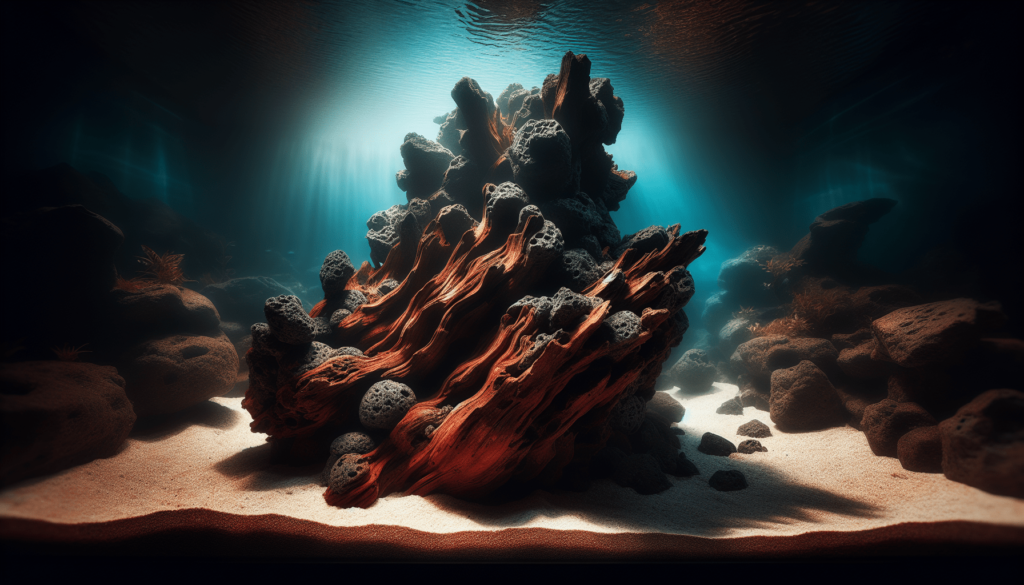
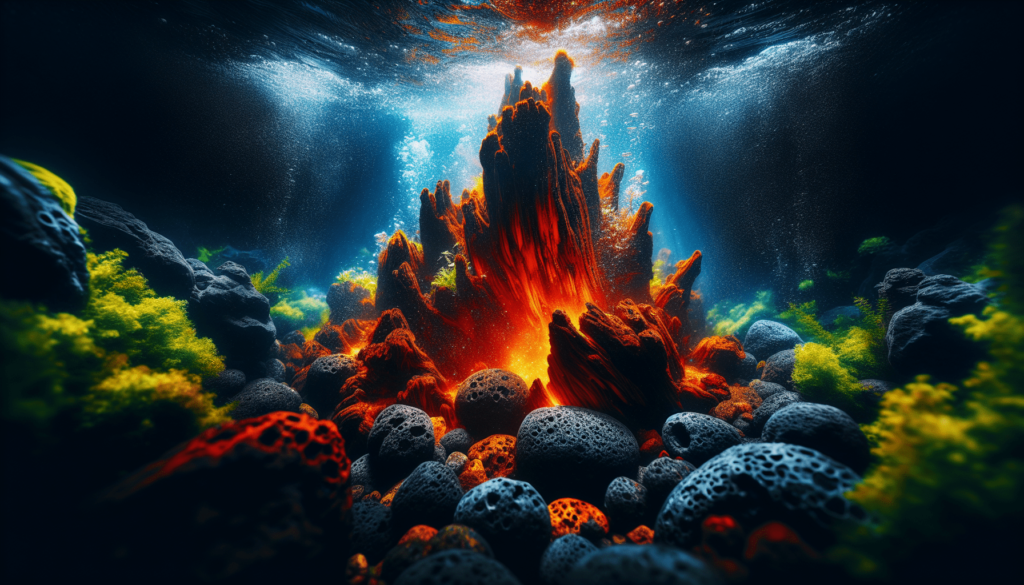
In the fascinating world of aquascaping, lava rock stands as a versatile and captivating element that can transform your aquatic landscape. From creating striking rock formations to providing a natural habitat for beneficial bacteria, exploring the potential of aquascaping with lava rock opens up a whole new realm of possibilities for aquarium enthusiasts. In this ultimate guide, discover the various ways you can incorporate lava rock into your aquascape, and unlock the secrets to creating a stunning underwater masterpiece. Get ready to dive into the art of aquascaping with this exceptional guide dedicated to the beauty and versatility of lava rock.
Understanding Aquascaping
What is Aquascaping?
Aquascaping is the art of creating visually stunning underwater landscapes within aquariums. It involves arranging aquatic plants, rocks, driftwood, and other decorations to mimic natural environments such as forests, mountains, or rivers. Aquascaping combines principles of design, horticulture, and biology to create captivating and harmonious displays that mimic the beauty of nature.
Benefits of Aquascaping
Aquascaping offers a multitude of benefits to both hobbyists and the inhabitants of the aquarium. For hobbyists, aquascaping provides a creative outlet and the opportunity to design and personalize their aquariums. It can also be a form of stress relief and a way to connect with nature within the confines of their own homes.
On the other hand, the aquatic inhabitants of a well-designed aquascape benefit from a more naturalistic environment that closely resembles their natural habitats. The presence of live plants improves water quality by absorbing excess nutrients and releasing oxygen, creating a healthier ecosystem for fish, invertebrates, and other aquatic organisms.
Types of Aquascaping
There are various styles or types of aquascaping that aquarists can explore. Some popular styles include Nature Aquarium, Iwagumi, Biotope, and Minimalist designs. Each style has its own unique characteristics and requires different elements, such as rocks, plants, or substrate, to achieve the desired look.
Introduction to Lava Rock
What is Lava Rock?
Lava rock, also known as volcanic rock, is a type of igneous rock that is formed from molten lava. It is typically porous and lightweight, with a rough texture. Lava rock is commonly used in aquascaping due to its natural appearance, durability, and its ability to provide a stable anchor for plants and other decorations.
Why Use Lava Rock in Aquascaping?
Lava rock offers several advantages when incorporated into aquascapes. Firstly, its porous nature allows for beneficial bacteria to colonize its surface, aiding in biological filtration and improving water quality. Secondly, lava rock provides natural cavities and crevices that serve as hiding places for shy or territorial fish. Additionally, its rough texture provides a great surface for attaching mosses, ferns, and other epiphytic plants.
Advantages of Using Lava Rock
Using lava rock in aquascaping provides numerous advantages. Firstly, its lightweight nature allows for easy manipulation and arrangement within the aquarium. Unlike heavy materials like rocks or driftwood, lava rocks can be easily rearranged or removed without causing significant disturbance to the aquascape. Furthermore, lava rock is resistant to erosion and does not release any harmful substances into the water, making it safe for aquarium inhabitants.
Where to Source Lava Rock?
Lava rock can be sourced from various places. One option is to purchase it from aquarium stores that specialize in aquascaping materials. These stores often offer a variety of lava rock sizes and shapes to choose from. Alternatively, hobbyists can find lava rock in landscaping or gardening stores, as it is commonly used as an outdoor decorative material. However, it is essential to ensure that the lava rock chosen for aquascaping is free of any pesticides or chemicals that may harm the aquarium’s inhabitants.
Preparing Lava Rock for Aquascaping
Cleaning Lava Rock
Before using lava rock in an aquascape, it is crucial to clean it thoroughly to remove any dirt, dust, or debris. This can be done by rinsing the rock under running water or by using a soft brush to scrub away any visible impurities. It is essential to avoid using any soap or detergents, as these can be harmful to the aquarium’s ecosystem.
Sterilization Methods
To ensure the rock is free from any potential pests or pathogens, it is recommended to sterilize the lava rock before introducing it into the aquarium. Sterilization can be achieved by boiling the rocks in water for several minutes. This process kills any potential harmful organisms and helps prevent unwanted biological imbalances within the aquarium.
Soaking Lava Rock
Soaking the lava rock in water is another essential step in its preparation for aquascaping. Soaking allows the rock to become waterlogged, preventing it from floating when placed in the aquarium. Soaking also helps to dislodge any remaining dirt or debris trapped in the rock’s crevices.
Curing Lava Rock
Curing lava rock is a vital step that helps prevent any unwanted changes in water chemistry. Lava rock may release minerals or compounds that can affect water parameters such as pH or hardness. To cure the lava rock, it can be soaked in a separate container of clean water for a few days while observing any changes in the water parameters. This process allows any potential leaching to occur before the rock is introduced into the main aquarium.
Aquascaping Designs with Lava Rock
Hardscape Basics
Hardscape refers to the non-living elements in an aquascape, such as rocks, driftwood, and other decorations. When incorporating lava rock into an aquascape, it is essential to consider the overall layout and arrangement of the hardscape elements. Careful placement of lava rock can create a focal point, enhance visual flow, and provide a sense of balance within the aquascape.
Creating Dimension with Lava Rock
Lava rock can be used to create depth and dimension in an aquascape. By strategically stacking or layering the rocks, aquarists can create visually appealing structures that give the illusion of a larger and more intricate landscape. Using rocks of different sizes and shapes can help add variety and create natural-looking formations within the aquarium.
Stacking and Layering Techniques
One popular technique in aquascaping is the use of stacked or layered lava rock structures. This technique involves arranging rocks of varying sizes in a way that creates vertical height and depth. The rocks can be placed on top of one another, creating caves, arches, or pillars that give the aquascape a three-dimensional appearance. Care should be taken to ensure the structure is stable and will not collapse over time.
Combining Lava Rock with Other Materials
Lava rock can be combined with other hardscape materials, such as driftwood or stones, to create a more visually dynamic aquascape. The contrasting textures and colors of lava rock can complement the smoothness of driftwood or the ruggedness of other stones, adding visual interest to the overall design. When combining different materials, it is important to consider their compatibility and how they will interact with the aquatic environment.
Choosing the Right Lava Rock
Types of Lava Rock
There are different types of lava rock, each with its own unique characteristics. The most common types include black lava rock, red lava rock, and pumice stone. Black lava rock has a dark, porous appearance and is often used in aquascaping for its dramatic contrast with green plants. Red lava rock, with its vibrant color, adds warmth and visual interest to aquascapes. Pumice stone, while less commonly used, is lightweight and porous, making it suitable for creating floating islands or as a planting medium for epiphytic plants.
Considerations for Selection
When selecting lava rock for aquascaping, several factors should be considered. Firstly, the size of the rocks should be appropriate for the size of the aquarium and the desired layout. Rocks that are too large or too small may look out of proportion or disrupt the overall balance of the aquascape. Additionally, the texture and appearance of the lava rock should harmonize with the chosen design style and desired aesthetic.
Size and Shape Variations
Lava rocks are available in various sizes and shapes, providing aquarists with flexibility in designing their aquascape. Larger rocks can serve as focal points or anchor points for plants, while smaller rocks can be used to create intricate details or fill in gaps between larger structures. Irregularly shaped rocks can add a more natural and organic look to the aquascape, while rocks with a more uniform shape can create a more minimalist or modern aesthetic.
Compatibility with Aquarium Environment
It is essential to ensure that the lava rock selected is compatible with the aquarium environment and its inhabitants. Some types of lava rock may affect water parameters such as pH or hardness. It is recommended to avoid rocks that are known to contain minerals or compounds that could alter water chemistry. Additionally, lava rocks should be aquarium-safe and free from any coatings or treatments that may be harmful to aquatic life.
Placement and Anchoring Techniques
Positioning Lava Rock in the Aquarium
The placement of lava rock within the aquarium is crucial for creating a visually appealing and functional aquascape. Rocks can be positioned to create pathways, hideouts, or to frame specific areas of interest. It is important to consider the needs of the aquatic inhabitants, ensuring that any structures created do not impede their movement or obstruct access to food or hiding places.
Using Adhesives and Epoxies
To create more stable structures or to attach plants or mosses to the lava rock, aquarists may choose to use adhesives or epoxies. These can be used sparingly to secure rocks together or to attach plants to the surface of the rock. However, it is important to choose aquarium-safe adhesives that will not release any harmful substances into the water.
Creating Stable Structures
When stacking or layering lava rocks to create structures, it is crucial to ensure stability and durability. Rocks should be securely positioned so that they do not collapse or shift over time, potentially damaging the aquarium or injuring the inhabitants. Paying attention to the placement of each rock and ensuring a solid base is important to create a sturdy structure.
Avoiding Damage to Aquatic Life
When arranging lava rock in an aquarium, it is important to be mindful of the safety of the aquatic life. Sharp or jagged edges of the rock should be smoothed or placed in a way that minimizes the risk of injury to fish or other inhabitants. Care should also be taken to avoid rocks that may leach harmful substances into the water, which could harm the aquatic life.
Maintaining Lava Rock in Aquascapes
Cleaning and Maintenance
Regular cleaning and maintenance of lava rock is crucial for the long-term health and aesthetic appeal of the aquascape. Lava rock can accumulate debris, algae, or detritus over time, affecting the overall appearance and water quality. Cleaning can be done by gently scrubbing the rock’s surface with a soft brush or sponge to remove any build-up. It is important to avoid using any harsh chemicals or scrubbing too vigorously, as this can damage the rock or disturb the aquarium ecosystem.
Algae Control
Lava rock, like any other surface in the aquarium, is susceptible to algae growth. To control algae, it is essential to maintain a balance of light, nutrients, and carbon dioxide in the aquarium. Regular water changes and proper filtration can also help prevent excess nutrient build-up that can promote algae growth. If algae becomes an issue, manually removing it from the lava rock and adjusting the aquarium’s parameters may be necessary.
Avoiding pH and Chemical Imbalances
Lava rock, though generally inert, has the potential to affect water chemistry, particularly pH and hardness. It is important to monitor water parameters regularly to ensure they remain within the suitable range for the aquarium’s inhabitants. If the water chemistry changes significantly, adjustments may need to be made, such as adding aquarium-safe rocks, minerals, or other buffering agents, to maintain a stable environment.
Replacing or Rearranging Lava Rock
Over time, aquarists may choose to replace or rearrange the lava rock in their aquascape to create a fresh look or accommodate changes in the aquarium’s inhabitants. When replacing lava rock, it is essential to follow the same steps as when initially preparing the rock, such as cleaning, sterilizing, and soaking, to ensure the rock is safe to reintroduce into the aquarium.
Effects on Aquarium Water
Water Parameters and Lava Rock
The presence of lava rock can have slight effects on aquarium water parameters, particularly pH and hardness. Lava rock, being a natural material, may contain minerals or compounds that can alter these parameters. It is important to regularly monitor water parameters and make adjustments as needed to maintain suitable conditions for the aquarium’s inhabitants.
Impacts on Filtration and Oxygenation
Lava rock’s porous nature can contribute to the biological filtration within the aquarium. Beneficial bacteria colonize the rock’s surface, aiding in the breakdown of harmful substances and maintaining water quality. Additionally, lava rock provides ample surface area for the attachment of nitrifying bacteria, which convert ammonia to less toxic compounds. The open structure of the rock also allows for good water circulation and oxygenation, benefiting the aquatic life.
Aesthetic and Biological Effects
From an aesthetic perspective, lava rock can greatly enhance the visual appeal of an aquascape. Its natural textures, colors, and shapes can create a sense of realism and mimic the look of natural habitats. Additionally, lava rock’s porous surface provides a substrate for beneficial bacteria to colonize, aiding in the biological filtration of the aquarium and promoting a healthier environment for the aquatic life.
Monitoring Water Quality
Regular monitoring of water quality is essential when using lava rock in an aquascape. Aquarists should regularly test for parameters such as ammonia, nitrite, nitrate, pH, and hardness to ensure they remain within suitable ranges for the aquarium’s inhabitants. Any significant changes in water quality should be addressed promptly to prevent any adverse effects on the aquatic ecosystem.
Aquatic Plant Selection and Placement
Choosing Plants for Lava Rock
When selecting plants to complement lava rock in an aquascape, it is important to consider the specific needs and preferences of the chosen species. Some plants thrive when attached to rock surfaces, while others prefer to be planted in the substrate. Additionally, the selected plants should be compatible with the aquarium’s lighting, water parameters, and the overall design aesthetic.
Planting Techniques on Lava Rock
Plants can be attached to lava rock using various techniques. One common method is to use cotton thread or fishing line to tie the plant to the rock’s surface until its roots attach themselves naturally. Another technique involves using plant glue or gel to adhere the plant to the rock temporarily. As the plant grows and develops roots, it will anchor itself to the rock.
Creating Natural Plant Groupings
When arranging plants on lava rock, it is important to create natural-looking groupings that mimic their growth patterns in the wild. Clustering plants with similar requirements or complementary colors can create a visually appealing composition. Additionally, considering the height and growth rate of each plant is crucial to prevent overcrowding or shading of other plants in the aquascape.
Promoting Plant Health and Growth
To promote the health and growth of plants attached to lava rock, it is important to provide them with suitable lighting, nutrients, and a stable environment. Adequate lighting ensures photosynthesis can occur, allowing the plants to convert light into energy. Nutrients can be provided through the use of liquid fertilizers or root tabs placed near the plant’s roots. Maintaining stable water parameters and proper water circulation also contribute to plant health and growth.
Examples of Stunning Lava Rock Aquascapes
Nature-Inspired Layouts
Nature-inspired aquascapes aim to recreate specific natural environments within the aquarium. Lava rock can be used to create rocky landscapes, mountain slopes, or even underwater caves, providing a realistic backdrop for aquatic plants and fish. By carefully arranging the lava rock and selecting suitable plants and fish species, aquarists can achieve breathtaking natural aquascapes.
Iwagumi Style Aquascapes
The Iwagumi style of aquascaping originated in Japan and focuses on simplicity and minimalism. Lava rock is a popular choice for creating the iconic “island” formation in the Iwagumi style, where a cluster of rocks is placed asymmetrically in an open area of the aquarium. Lava rock’s dark colors and rough textures contrast beautifully with the lush green carpeting plants typically used in this style.
Minimalist and Zen Designs
Lava rock, with its rugged appearance, is often used in minimalist and Zen-inspired aquascapes. These designs aim for simplicity and tranquility, often with clean lines and open spaces. Lava rock, combined with carefully selected plants and minimalist hardscape elements, can create a serene and balanced aquascape that promotes a sense of calm and meditation.
Biotope and Region-Specific Themes
Aquascapes inspired by specific biotopes or regions can be created using lava rock to mimic the natural rock formations found in those areas. Whether it’s an Amazon river, African Rift Lake, or an Asian river-themed aquascape, lava rock can replicate the rocky landscapes found in these environments. Adding region-specific plants, fish, and other decorations further enhances the realistic representation of these unique habitats.
In conclusion, aquascaping with lava rock offers endless possibilities for creating visually stunning and biologically healthy underwater landscapes. By understanding the fundamentals of aquascaping, the properties of lava rock, and the techniques for incorporating it into aquascapes, hobbyists can create captivating and personalized aquarium displays. With careful planning, creativity, and attention to detail, aquarists can achieve breathtaking aquascapes that mimic the beauty of nature within the confines of their own homes.